

Key Takeaways
Lower lodging and airfare during reduced demand periods
Hotel rates and flight prices at popular destinations frequently drop 20 to 40 percent outside peak season. For a family of four, that gap across all lodging nights adds up to a substantial budget difference.
Smaller crowds at popular attractions
Wait times at theme parks, national park entry stations, and city landmarks shrink considerably in shoulder season. Families with younger children often find the lower-pressure environment easier to manage.
More availability and flexibility in accommodation
Off-peak periods mean vacation rentals, campsites, and hotels have more open inventory. Families can often get better room types or locations that would be fully booked in summer.
Easier dining and activity reservations
Restaurants and popular tours are easier to book on shorter notice when tourism slows. This reduces the planning pressure that often stresses families during busy travel windows.
A calmer atmosphere at the destination
Many destinations feel meaningfully different when visitor numbers drop. Streets, beaches, and trails are less congested, which often lets families move at their own pace rather than a crowd's pace.
School calendars restrict most families' flexibility
U.S. public school attendance policies make it difficult for families with school-age children to travel outside standard breaks. Pulling kids from school mid-semester can have academic and administrative consequences.
Weather may be unpredictable or unfavorable
Off-season travel at many destinations comes with cooler temperatures, rain, or other conditions that affect outdoor plans. Families need to research seasonal weather averages rather than assume a destination is always pleasant.
Some attractions, trails, or services close seasonally
Ferry routes, national park facilities, and seasonal attractions may shut down entirely in the off-season. Not verifying closure dates before booking is one of the more avoidable planning mistakes.
Fewer family-oriented programming options
Some destinations scale back family-friendly activities, special events, or entertainment schedules outside peak season. Families relying on a full activities calendar may find less to do.
Travel companions or extended family may not sync up
Coordinating an off-season trip across multiple family units or with grandparents is harder when everyone is tied to different school or work calendars. Group travel benefits less from off-peak timing.
Our Verdict
Off-season travel rewards families who can work around school schedules and tolerate some weather variability. The cost savings on lodging and flights are real, and the reduced crowds at major sites can make a trip feel more worthwhile. Families who plan carefully and stay flexible about weather tend to get the most from this approach.
Families with flexible school schedules, homeschooling households, or those whose children are young enough for parents to plan around shoulder periods rather than peak holiday windows.
What off-season travel actually means
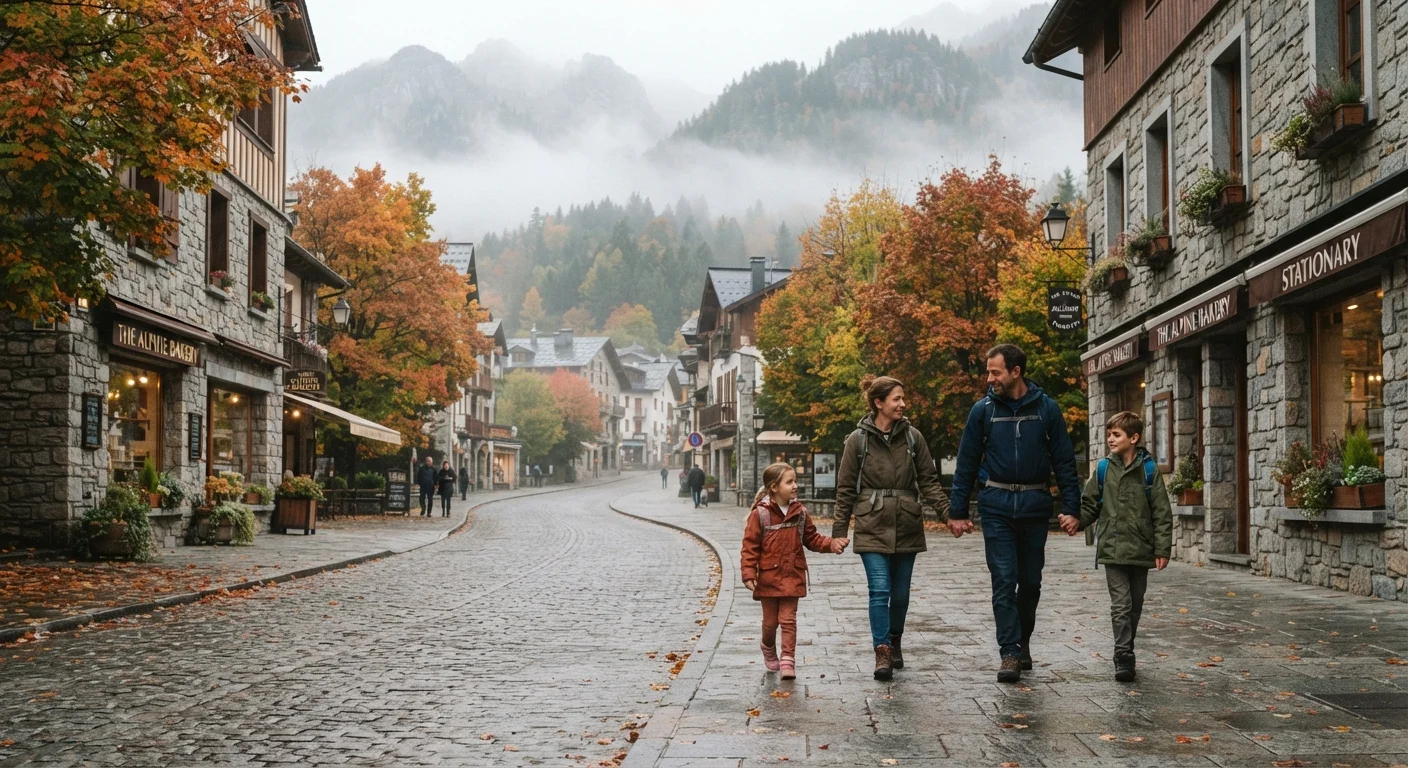
Off-season travel, sometimes called traveling in the shoulder season, means visiting a destination during its slower demand periods rather than at the height of tourist traffic. For most U.S. families, peak season aligns with summer, winter holidays, and spring break. The periods just outside those windows, such as September through early November and late January through March, typically see lower prices and fewer visitors at the same destinations.
The definition shifts by location. A beach destination in Florida has a different off-season than a ski resort in Colorado or a city like New York. Understanding when a specific place is slow requires a bit of research, but the pattern is consistent: lower demand means more negotiating room on prices and less competition for space. For a full picture of where family travel money actually goes, see our breakdown of typical family vacation costs.
The real advantages for family budgets
Lower lodging and airfare during reduced demand periods
Hotel rates and flight prices at popular destinations frequently drop 20 to 40 percent outside peak season. For a family of four, that gap across all lodging nights adds up to a substantial budget difference.
Smaller crowds at popular attractions
Wait times at theme parks, national park entry stations, and city landmarks shrink considerably in shoulder season. Families with younger children often find the lower-pressure environment easier to manage.
More availability and flexibility in accommodation
Off-peak periods mean vacation rentals, campsites, and hotels have more open inventory. Families can often get better room types or locations that would be fully booked in summer.
Easier dining and activity reservations
Restaurants and popular tours are easier to book on shorter notice when tourism slows. This reduces the planning pressure that often stresses families during busy travel windows.
A calmer atmosphere at the destination
Many destinations feel meaningfully different when visitor numbers drop. Streets, beaches, and trails are less congested, which often lets families move at their own pace rather than a crowd's pace.
The price difference between peak and off-peak travel is not marginal. Hotel rates at popular destinations can drop 20 to 40 percent outside high season, and airfares on the same routes often follow a similar pattern. For a family of four, those gaps compound quickly across flights, lodging, and even park admission at sites that use dynamic pricing.
Beyond cost, thinner crowds change the quality of the experience. Waiting two hours at a theme park attraction during July becomes a ten-minute line in October. National parks that feel congested in summer are far more accessible in September. Families traveling with younger children in particular may find the calmer environment less stressful. Comparing national parks and theme parks on value gives a clearer sense of how timing affects those experiences differently.
20-40%
Typical lodging rate drop in shoulder season
Hotel booking data across popular U.S. leisure destinations generally shows this range of price reduction compared to peak summer and holiday rates.
30%+
Reduction in park wait times in fall vs. summer
Theme park crowd-tracking services consistently report significantly shorter average wait times at major parks during September and October compared to July.
The drawbacks families should plan for
School calendars restrict most families' flexibility
U.S. public school attendance policies make it difficult for families with school-age children to travel outside standard breaks. Pulling kids from school mid-semester can have academic and administrative consequences.
Weather may be unpredictable or unfavorable
Off-season travel at many destinations comes with cooler temperatures, rain, or other conditions that affect outdoor plans. Families need to research seasonal weather averages rather than assume a destination is always pleasant.
Some attractions, trails, or services close seasonally
Ferry routes, national park facilities, and seasonal attractions may shut down entirely in the off-season. Not verifying closure dates before booking is one of the more avoidable planning mistakes.
Fewer family-oriented programming options
Some destinations scale back family-friendly activities, special events, or entertainment schedules outside peak season. Families relying on a full activities calendar may find less to do.
Travel companions or extended family may not sync up
Coordinating an off-season trip across multiple family units or with grandparents is harder when everyone is tied to different school or work calendars. Group travel benefits less from off-peak timing.
Off-season travel is not a clean win. The most persistent obstacle is the school calendar. Most U.S. public schools do not allow extended absences during the academic year without academic consequences, which limits when families with school-age children can realistically travel. Parents who have navigated this successfully tend to align trips with teacher workdays, fall breaks, or Presidents' Day weekend rather than pulling kids from class mid-semester.
Weather is the second variable. Traveling to a beach destination in late November or an outdoor hiking region in early spring means accepting that conditions may be imperfect. Some attractions, trails, or ferry routes close during the off-season entirely. Checking specific closure dates and weather averages for a destination before booking reduces surprises. Poor timing is one of the patterns that quietly drains travel budgets, and booking a trip without checking seasonal closures falls into that category.
How to plan an off-season trip that actually works
The families who save the most during off-peak periods treat the calendar as a planning tool. Start by mapping the school calendar for any breaks that fall outside the standard peak windows. Then research two or three destinations that have meaningful off-seasons during those windows. Weather patterns, average temperatures, and which specific attractions remain open are all publicly available through official tourism boards and weather data sites.
Lodging is where off-season savings show up most clearly. Vacation rentals and camping options often have more off-season availability and pricing flexibility than hotels. Booking four to six weeks in advance rather than at the last minute still applies in the off-season: prices do not always drop further as the date approaches.
For families building a broader travel strategy, the complete family travel planning guide covers how to connect destination research, booking timing, and on-the-road spending into a single approach. Lesser-known U.S. destinations are also worth considering, since many of them have naturally lower demand year-round and amplify the off-season effect.
Check official sources before booking
Seasonal closures, entry requirements, and weather conditions vary by destination and year. Before confirming any off-season trip, verify attraction hours and trail access through official park or tourism board websites. Travel conditions can change, and no price savings offset a trip built around an attraction that is closed.